México
Regulations
Portable lighting and NOM-025-STPS-2008: meeting the standard without diesel
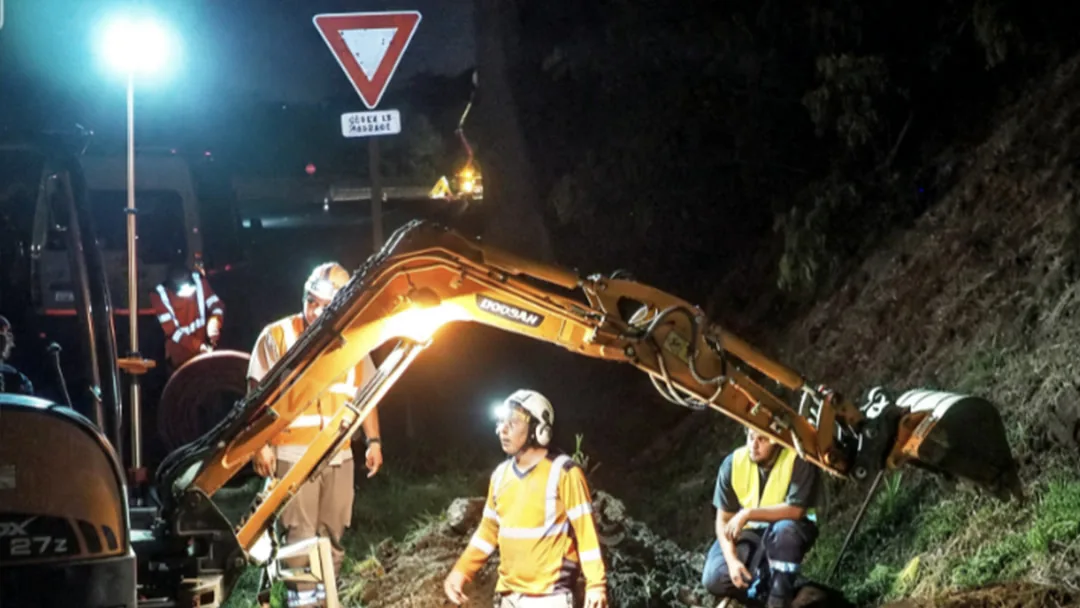
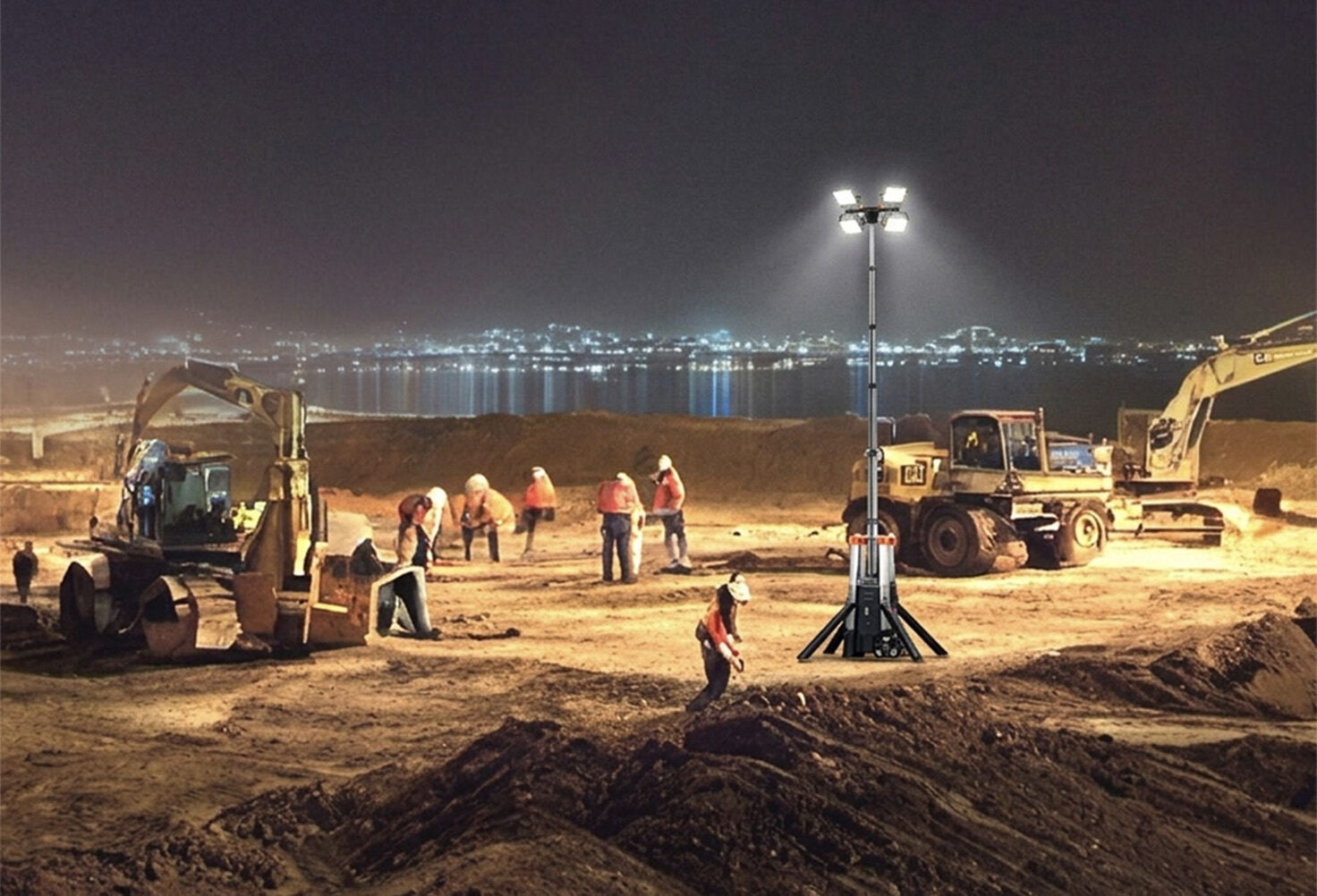
Complying with occupational health and safety regulations in Mexico is a constant challenge for the industrial, mining and construction sectors.
NOM-025-STPS-2008 sets the minimum lighting conditions that must be met in workplaces to prevent accidents, eye strain and harm to workers' health. Traditionally, the industry has relied on light towers powered by diesel generators or grid-connected halogen fixtures. However, these solutions add further risk factors: glare from unregulated point light, screening, fire hazards from fuel handling, polluting exhaust, excessive noise and a high carbon footprint.
G-COMIN fully addresses the requirements of NOM-025-STPS-2008 through uniform light distribution, fast, portable deployment and the elimination of fossil fuels. It is a technical alternative that not only ensures legal compliance during federal inspections but also optimizes total cost of ownership (TCO).
The regulatory framework: the challenges of NOM-025-STPS-2008
Mexico's Ministry of Labor and Social Welfare (STPS) requires every employer to identify, assess and control lighting levels in work areas. Non-compliance leads to heavy fines, temporary closures, or civil and criminal liability in the event of workplace accidents.
The critical points the standard evaluates fall into three main areas:
A. Minimum lighting levels (lux). Outdoor and transit areas require 20 lux; work fronts, warehouses and machine rooms, 50 to 200 lux; while detailed tasks and maintenance demand 300 to 500 lux. The technical challenge is reaching these levels at temporary locations without relying on fixed infrastructure.
B. Glare control (Art. 7.2). Art. 7.2 prohibits fixtures that shine light directly into workers' eyes or create disabling reflections. Traditional towers with halogen floodlights or narrow-beam LED fixtures are the main reason for failing audits, because of screening and blinding brightness.
C. Backup and emergency lighting (Art. 9). Required by Art. 9 in areas where a failure of the main source would endanger operators' physical safety (tunnel maintenance, underground mining, petrochemical plants).
Weaknesses of traditional solutions (diesel and cables)
For decades, the industry has accepted the shortcomings of diesel generators as a necessary evil. Under current standards, however, these solutions have structural flaws:
- Disproportionate glare: high-intensity, one-directional beams that temporarily blind personnel walking toward the tower.
- Operational and environmental risks: diesel spills on the ground, constant vibration, noise above 85 dB and carbon monoxide emissions in semi-enclosed spaces.
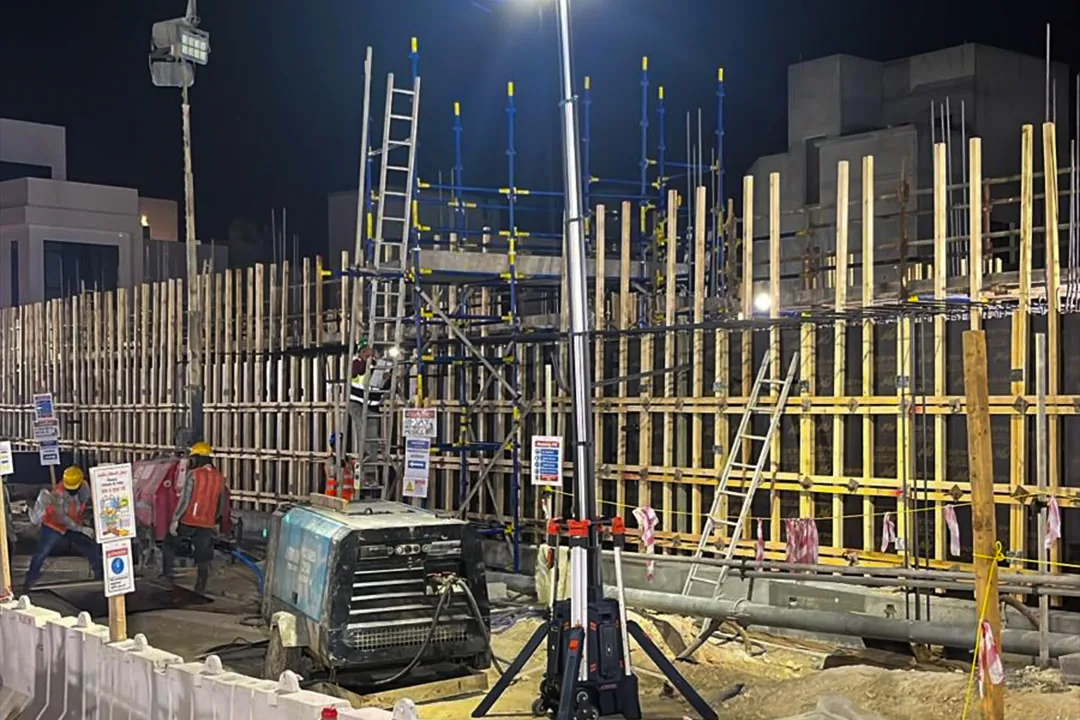
- Complex logistics: units weighing over 800 kg that need heavy vehicles to move, limiting how quickly crews can respond to emergencies or corrective maintenance.
The technology solution
Our team addresses the requirements of NOM-025-STPS-2008 from the engineering stage, developing portable battery-powered equipment that fully replaces fuel consumption:
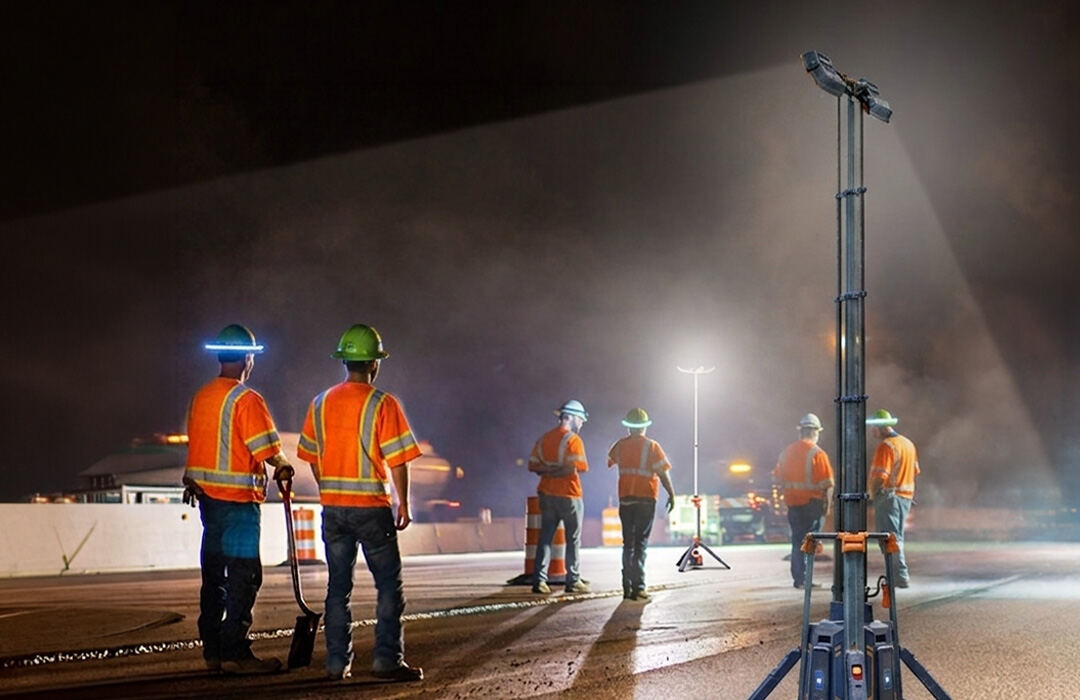
A. 360° diffused light (soft-light) technology. Models such as the PL-200 and PL-300 use industrial optical-grade diffusers that spread light in every direction. They eliminate direct glare (Art. 7.2) and let crews work right next to the tower without eye strain, with 360-degree coverage.
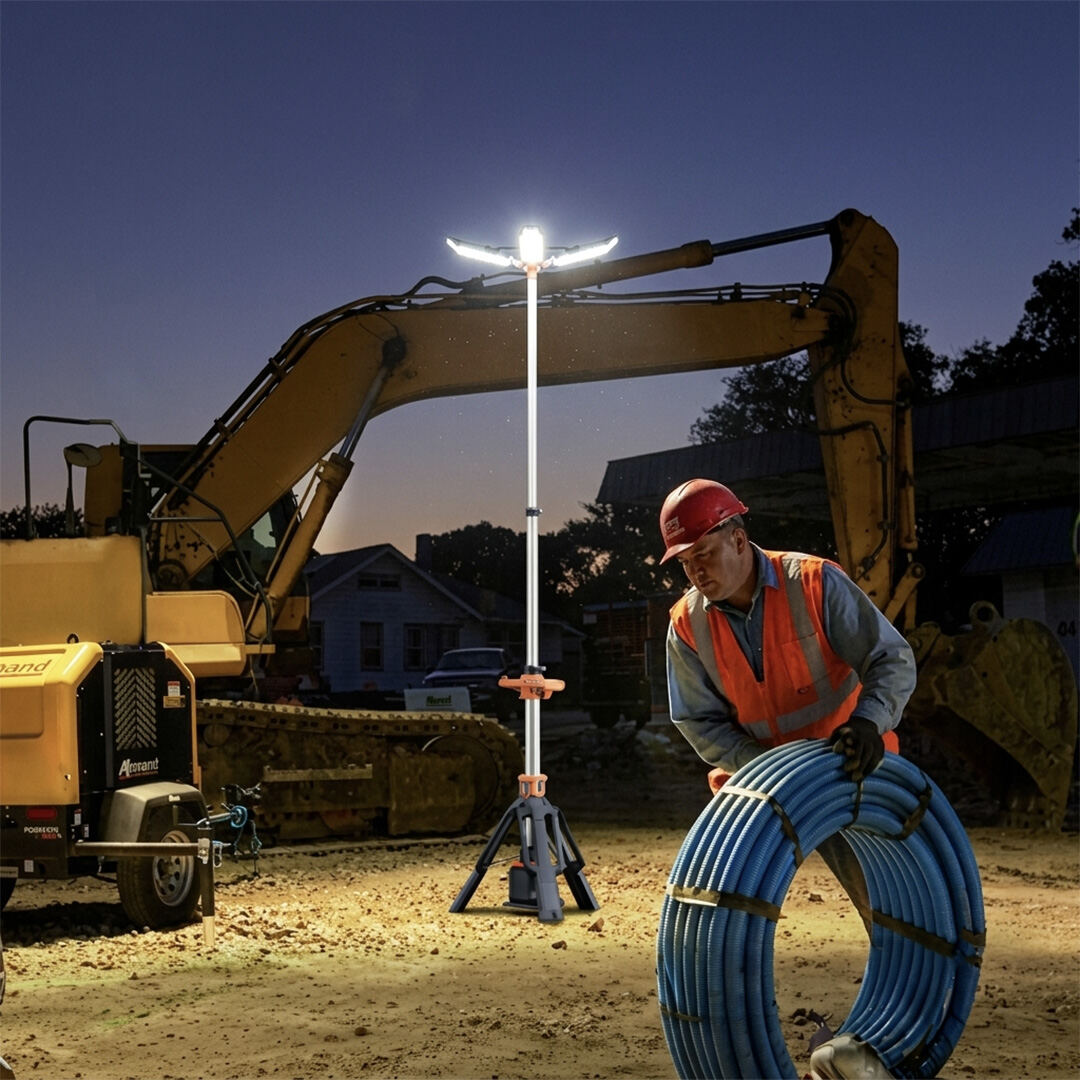
B. Telescopic masts and lux coverage. Systems such as the TL series (TL-300 and TL-500H) raise the light source from 3 to more than 5 meters high. Vertical elevation spreads the beam in a square pattern, delivering the required 50 to 300 lux without dark shadow zones.
C. Energy autonomy and uninterrupted backup. The [__] power platform and integrated batteries work as primary sources or immediate backup (Art. 9). Because they rely on neither the grid nor an internal combustion engine, they deliver instant light with no start-up delay.
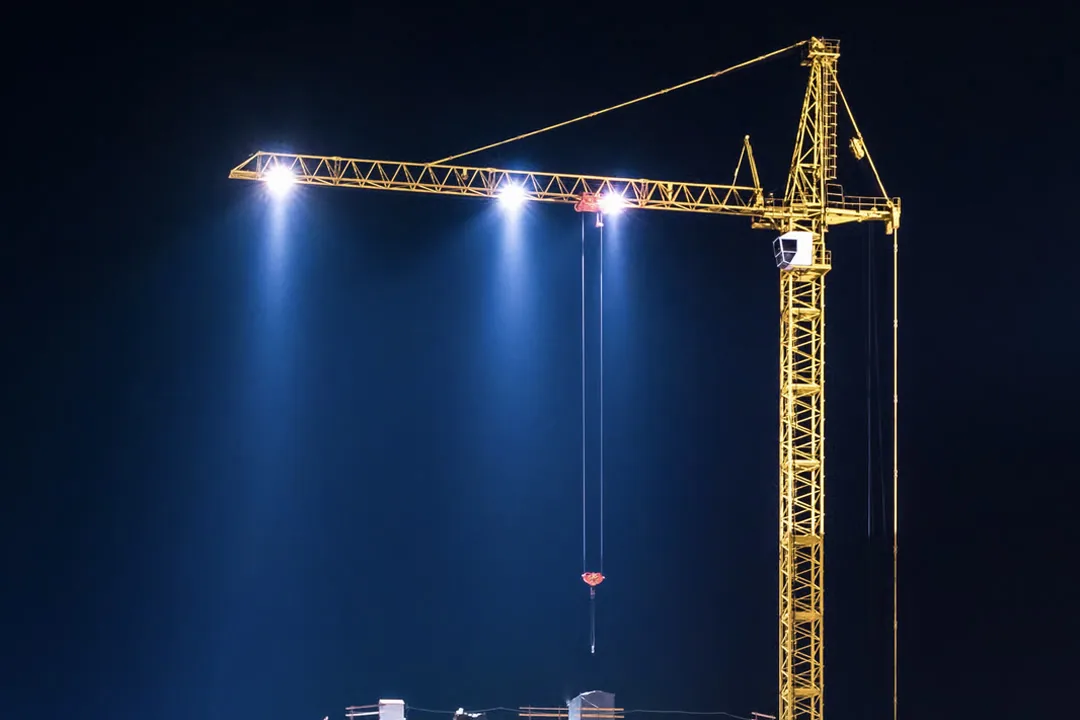
Comparison matrix
| Evaluation parameter | Traditional diesel tower | G-COMIN equipment (PL and TL series) |
|---|---|---|
| Light emission | Direct and concentrated (high glare risk) | Diffused 360° and adjustable (no glare, meets Art. 7.2) |
| NOM-025 compliance (lux) | Variable; deep shadows from a fixed angle | Adjustable through telescopic height and power setting |
| Noise and exhaust | Over 85 dB and combustion gases (STPS risk) | Silent operation and zero direct emissions |
| Deployment and logistics | Requires a trailer, fuel and maintenance | Deployed in [__] minutes by a single operator |
| Backup system (Art. 9) | Requires manually starting the generator | Instant, from the integrated lithium battery |
Return on investment (ROI) and sustainability (ESG)
Beyond avoiding STPS non-compliance fines, adopting this technology is a direct financial improvement. By eliminating the recurring cost of diesel, filter and oil changes and combustion engine repairs, companies recover their initial investment in an average of [__] months, depending on how intensive their night operations are.
At the corporate level, replacing combustion equipment with the portable electric series directly supports sustainability (ESG) reporting, eliminating [__] tons of carbon dioxide per year for each unit replaced in the field.
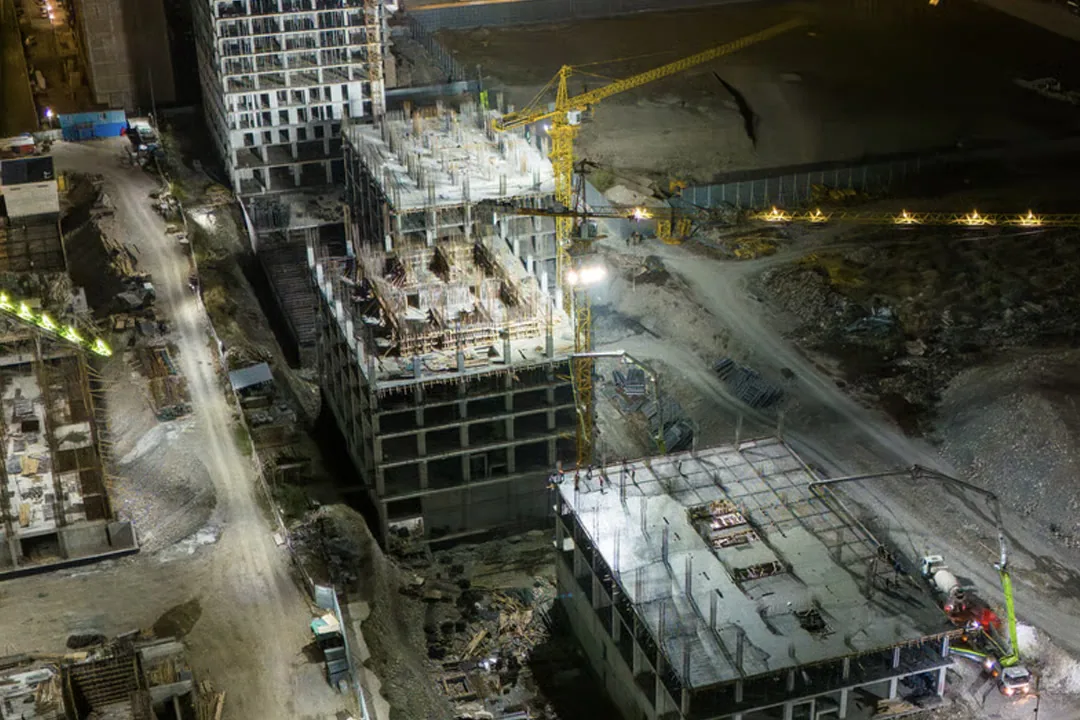
NOM-025-STPS-2008 should not be seen only as a regulatory burden, but as a standard for raising productivity and operational safety in Mexico. The historical limitations of diesel lighting have become obsolete with the arrival of battery-powered portable lighting systems. G-COMIN gives Health and Safety (HSQE) managers and plant directors a complete solution that meets every legal requirement for light measurement, visual ergonomics and energy backup.
If you'd like to learn more about this technology, leave your details in our contact form and we'll get in touch with more information.